How much it costs to tow a car in 2026
Real 2026 towing prices, hook-up fees, per-mile rates, AAA membership coverage, and the surcharges that can double a tow bill.
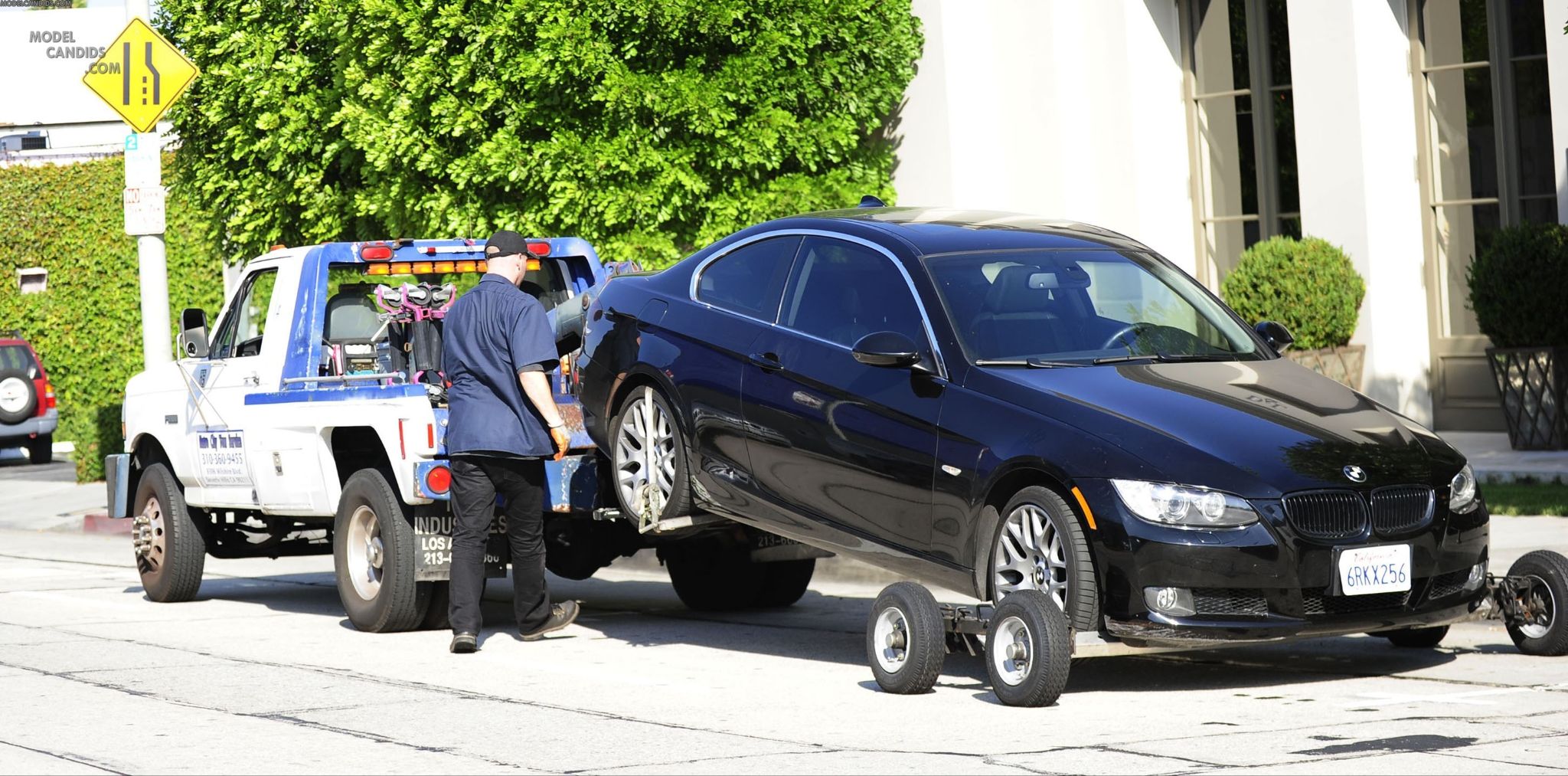
A local tow in 2026 runs $75 to $150 for the first 5 to 10 miles. Past that, expect $3 to $7 per mile. A 40-mile tow is commonly $200 to $400. Long-distance tows over 100 miles get expensive fast and are usually cheaper through a car-shipping broker than a tow truck.
Base rates
| Distance | Typical price |
|---|---|
| Hook-up fee only (most companies) | $50 to $125 |
| Local tow, 5 to 10 miles | $75 to $200 |
| 20 to 40 miles | $150 to $400 |
| 100 miles | $400 to $800 |
| 500+ miles | $1.50 to $3 per mile (broker) |
Independent tow companies set their own pricing. Dispatch-only operators that contract with AAA and insurance roadside often charge less out of pocket because the membership eats the base fee.
What changes the bill
Plenty of things bump the price beyond the hook-up and per-mile fee:
- Time of day. Nights, weekends and holidays carry a 25% to 50% surcharge at most companies.
- Vehicle size. A 3/4-ton truck, motorhome or large SUV often needs a heavy-duty wrecker, not a flatbed. That can double the rate.
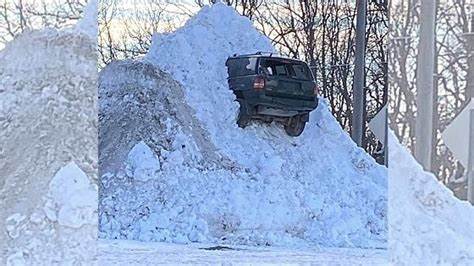
- Accident or off-road recovery. Pulling a car out of a ditch, snow bank or median runs $150 to $500 on top of the tow.
- Flatbed instead of wheel-lift. Required for AWD, EVs, lowered cars and anything with damage. Adds $50 to $100.
- Bad weather. Snow, ice, flooding, hurricane recovery. Surcharges and long waits are normal.
- Unreachable location. A breakdown 30 miles into a forest road costs more than a breakdown on a freeway shoulder.
EV towing matters more now. Tesla, Ford Mach-E, Rivian, Lucid: all need to be flatbedded. Towing an EV on its wheels can fry the drive motors. A few tow companies still don’t know this. Tell them you have an EV when you call.
What AAA actually covers in 2026
AAA membership tiers cost roughly:
| Tier | Annual fee | Towing distance |
|---|---|---|
| AAA Classic | $65 to $80 | 5 to 7 miles |
| AAA Plus | $100 to $130 | 100 miles |
| AAA Premier | $135 to $175 | 200 miles for 1 tow, 100 miles for the rest |
Over your limit, AAA bills $4 to $7 per extra mile. AAA Plus is the tier that makes sense for most people. The Classic tier’s 5-mile cap is too short to reach most home mechanics in any city.
AAA also has a 4-calls-per-year limit. Use them all up and you pay full price for the rest of the year.
Other roadside options
Most insurers (GEICO, State Farm, Progressive, Allstate) add roadside assistance to a policy for $20 to $60 a year. The coverage is usually 1 tow to the nearest shop, capped at 15 to 25 miles. Useful, but not a substitute for AAA if you live in a rural area.
Honda Care, Toyota Care, Ford’s Roadside Assistance and the BMW Roadside program all bundle towing for the first 3 to 5 years or 36,000 to 100,000 miles depending on the brand. If your car is newer, check the warranty before paying out of pocket.
Credit cards: most travel rewards cards have token roadside assistance with low coverage and surprise fees. Don’t rely on them as a primary plan.
Long-distance moves
If you need to move a non-running car more than 200 miles, a tow truck is usually the wrong call. An auto transport broker (uShip, Montway, Sherpa) moves cars on multi-vehicle carriers for $0.40 to $1.20 per mile for running cars, more for inop. A non-running 800-mile move on a transport carrier costs $600 to $1,400 with a 1- to 7-day window. A tow truck for the same distance runs $1,500 to $3,500.
Brokers need a few days of lead time. For an emergency same-day situation, a tow truck is the only option.
What to say when you call
Before you dial, get four things straight: where you are (pin, mile marker or address), where the car is going (shop address), what’s wrong (won’t start, blown tire, accident damage, stuck in mud), and the year/make/model. Mention “AWD” or “EV” because both change the equipment they send.
Ask for a flat quote, not “starting at.” A flat quote is binding. “Starting at $89” can turn into $300 when the driver arrives.
Sources: