How much platinum is in a catalytic converter
How many grams of platinum sit inside a catalytic converter, what it is worth in 2026, and how it compares to the palladium and rhodium that are also in there.
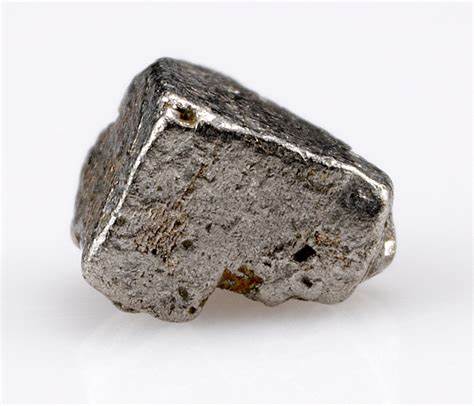
A typical car catalytic converter contains 3 to 7 grams of platinum. Diesel converters tend to use more platinum than gasoline ones, where palladium does most of the work. Either way, you are looking at a small amount of metal carrying most of the converter’s resale value.
In 2026, platinum sits around $30 to $35 per gram. That puts the platinum content of one converter at roughly $90 to $245. Rhodium and palladium are also inside, and rhodium in particular is the metal that makes a stolen converter valuable.
What is inside a converter, by the numbers
| Metal | Typical content | 2026 price per gram | Value per converter |
|---|---|---|---|
| Platinum (Pt) | 3 to 7 g | ~$32 | $96 to $224 |
| Palladium (Pd) | 2 to 7 g | ~$35 | $70 to $245 |
| Rhodium (Rh) | 1 to 2 g | ~$389 | $389 to $778 |
Prices fluctuate. Rhodium hit $30,000 per troy ounce in 2021 and is currently around $12,000 per troy ounce. Platinum has stayed in a narrow band for several years. Palladium is well down from its 2022 highs.
Why platinum is in there at all
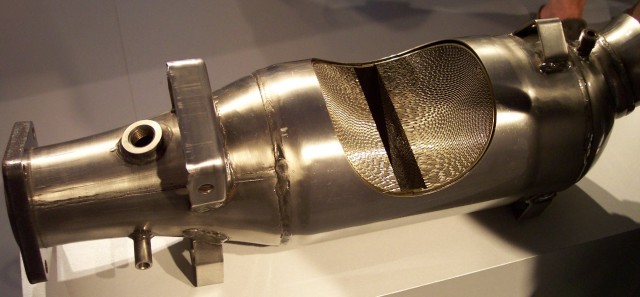
A catalytic converter takes the dirty output of an internal combustion engine and runs it across a honeycomb ceramic substrate coated with a thin layer of precious metals. Two reactions happen:
- Reduction. Rhodium (and some platinum) strip the nitrogen out of nitrogen oxides, leaving safer oxygen and nitrogen.
- Oxidation. Platinum and palladium combine that oxygen with carbon monoxide and unburned hydrocarbons, turning them into carbon dioxide and water.
Platinum can do both reactions, which is why it shows up in diesel and gasoline converters alike. Diesels run leaner and cooler, so they lean on platinum because palladium needs higher exhaust temperatures to work well.
Diesel vs gasoline content
A diesel oxidation catalyst on a 6.7L Cummins or a 6.6L Duramax holds more platinum (5 to 7 grams) and less rhodium than a gasoline car. A gasoline three-way converter on a 2.5L Camry might have 2 to 4 grams of platinum, 3 to 5 grams of palladium, and 1 gram of rhodium.
Larger vehicles, older vehicles, and emissions-heavy regions all push metal content up. A converter from a 2008 Toyota Tundra typically scraps for $400 to $700. A converter from a 2015 Honda Fit scraps for $120 to $200.
Why scrap value is lower than the math suggests
Adding up the metal prices gives a number close to $600 to $1,000 for an average converter. Scrap buyers usually pay 50% to 70% of that. The rest covers refining cost, assay risk, transport, and the buyer’s margin. The actual metal recovery is a chemical process, and not every gram comes out.
If a converter is gutted or visibly cut up, scrap value drops to almost nothing because the buyer can’t verify the metal content without testing.
Catalytic converter theft
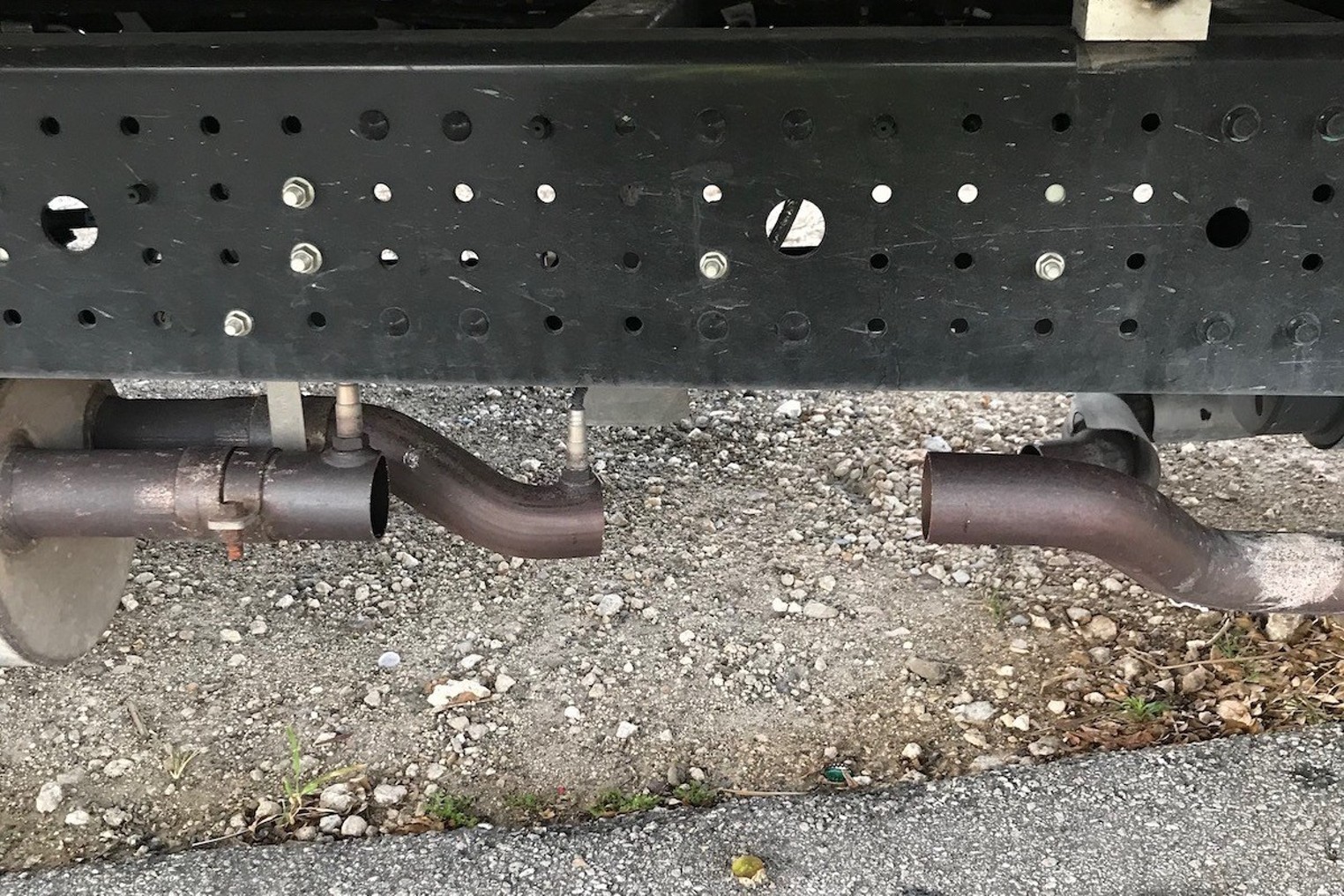
The high rhodium price made converter theft a national problem from 2020 to 2023. Toyota Prius converters were the most-stolen because they sit high (easy to cut) and contain extra metal loading. Ford F-Series and Honda Element were close behind. Replacement out of pocket ran $1,500 to $3,000, and insurance claims under comprehensive coverage spiked.
Federal legislation (the PART Act) passed in 2024 made stamping VINs on converters mandatory for major manufacturers, and several states (California, Texas, Minnesota, New York) now require scrap dealers to log seller ID and converter serial numbers. Thefts have dropped since 2024 but are not gone.
Catalytic converter cages (Cat Security, Catclamp) cost $150 to $300 installed and are still the cheapest deterrent for high-risk vehicles.
Quick takeaway
Platinum content per converter: 3 to 7 grams, worth $90 to $245 at 2026 prices. The bulk of converter resale value comes from rhodium, even though rhodium is the smallest amount by weight. Scrap dealers pay roughly half the metal value.
Sources: