Fixing the Ford F-150 wrench light and limp mode
Diagnose the Ford F-150 yellow wrench light combined with reduced acceleration, with codes P2111, P2112, P2135 and the throttle body fix.
The yellow wrench on a Ford F-150 means the PCM has flagged a powertrain fault, almost always electronic throttle control. When acceleration is gone with it, you’re in limp mode (also called failsafe mode) and the truck is limiting throttle to protect itself. The codes that show up most often are P2111 (throttle actuator stuck open), P2112 (stuck closed), P2135 (TP sensor disagreement), and P2104. The fix is usually a throttle body cleaning, sometimes a replacement.
Don’t drive far. Pull over, scan for codes, and decide from there.
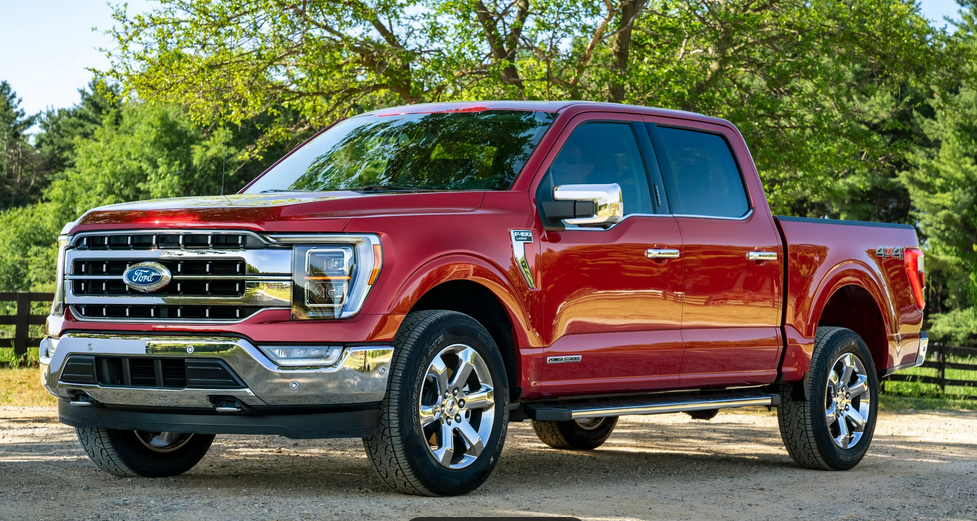
What the wrench actually means
The wrench symbol covers the entire powertrain: engine, transmission, transfer case, throttle, drive shafts. On F-150s from 2004 through 2026, the most common single cause is electronic throttle body failure. The next most common is the accelerator pedal position sensor. Beyond that: spark plug or coil pack faults causing misfires the PCM treats as critical, ABS module communication faults, and transmission solenoid issues.
A truck in limp mode usually has:
- No throttle response above 20 to 30 mph
- Stuck in a single gear
- Warning lights including the wrench
- Sometimes a “Service AdvanceTrac” or “Check Engine” light too
First step: scan for codes
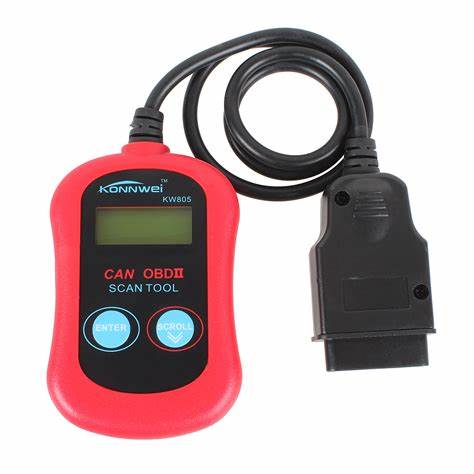
A $25 to $50 OBD-II scanner (Autel AL319, BlueDriver, Ancel BA101) reads codes in 60 seconds. Most parts stores will read codes for free. Common F-150 wrench codes:
| Code | Meaning | Fix |
|---|---|---|
| P2104 | Throttle actuator control system forced idle | Throttle body or PCM |
| P2105 | Throttle actuator forced engine shutdown | Same |
| P2107 | Throttle actuator module processor | Throttle body |
| P2110 | Throttle actuator forced limited rpm | Throttle body |
| P2111 | TAC stuck open | Throttle body |
| P2112 | TAC stuck closed | Throttle body |
| P2135 | TPS A/B voltage correlation | Sensor or throttle body |
| P2138 | APP D/E voltage correlation | Accelerator pedal |
| P0606 | PCM processor fault | Module |
| U0100 / U0140 | Module communication | Wiring or module |
P2111, P2112, and P2135 together usually point at the throttle body assembly. P2138 points at the pedal.
The throttle body fix
Modern F-150 throttle bodies (2004-2024) use a stepper motor to open and close the butterfly. Carbon buildup, dirt, and worn motor brushes cause them to stick or report incorrect position. Two paths:
Clean it first (worth trying)
- Disconnect the negative battery terminal.
- Remove the air intake snorkel from the throttle body.
- Spray CRC Throttle Body Cleaner (not carb cleaner; throttle body cleaner is safer for coatings) on the butterfly and inside the throttle body.
- Wipe with a clean rag, especially around the butterfly edges.
- Don’t push the butterfly with your fingers; it’s motorized.
- Reassemble, reconnect battery, perform a throttle relearn.
Throttle relearn on most F-150s: key to RUN (don’t start) for 30 seconds, then key off for 10 seconds. Repeat 3 times. Then start, let idle 60 seconds, drive at varying throttle for 5 minutes.
Cleaning fixes maybe 30% of throttle body wrench issues. Worth trying because it’s cheap (a can of cleaner is $10).
Replace if cleaning doesn’t fix it
OEM Ford throttle body for a 2011-2024 F-150 5.0L runs $250 to $450. Aftermarket (Dorman, Spectra, ACDelco) runs $120 to $250. Installation is 30 to 60 minutes. Three to four bolts and an electrical connector.
After install, do the relearn. Then drive a few cycles. If the wrench comes back, the issue is elsewhere (pedal sensor, wiring, PCM).
Accelerator pedal position sensor
Code P2138 or wrench combined with intermittent throttle response often means the pedal sensor. The pedal assembly is a unit (sensor and pedal together), $80 to $180 from a dealer or $40 to $90 aftermarket. Installation is 4 bolts under the dash and an electrical connector. 30-minute job.
Spark plugs and coil packs
Modified or aged spark plugs (worn beyond 100,000 miles) and failing coil packs can trigger misfire codes severe enough to throw the wrench. P0301-P0308 are cylinder-specific misfire codes. Replace coils or plugs as needed.
The 5.4L 3-valve Triton engines (2004-2010 F-150s) had specific issues with spark plugs breaking off in the cylinder head. If your truck is one of those and the wrench appeared after a plug change, that’s a known mechanic issue, not a software glitch.
Software updates and TSBs
Ford issues software updates regularly. Look up your VIN at ford.com/support to see open TSBs and recalls. Some wrench-light issues are software, not hardware, and a free dealer reflash fixes them.
Ford recall 26C10 (March 2026)
The 26C10 recall (NHTSA 26V104000) covers 4.3 million Fords including the F-150 (2021-2026) and Super Duty (2022-2026) for an Integrated Trailer Module software fault. The fault can cause trailer brake controller signals and wiring outputs to drop, which sometimes triggers powertrain warning codes. If your F-150 wrench appeared while towing or after a trailer plug event, check FordPass for the OTA update or take the truck to a dealer (free fix).
Clearing codes after a repair
After fixing the underlying problem, the wrench may still show until the codes are cleared. Plug the scanner in and clear DTCs. Some codes self-clear after several drive cycles without recurrence.
A scanner with bidirectional control can also command a forced throttle relearn, which can save you the manual key-cycle procedure.
What I’d skip
- Don’t replace the PCM unless you’ve ruled out everything else. PCM failures are rare.
- Don’t replace the throttle body without scanning first. About 1 in 4 wrench cases is something else.
- Don’t ignore the wrench. Limp mode itself isn’t damaging, but the underlying fault often gets worse.
When to call a shop
- Codes you can’t clear after the fix
- Wrench combined with transmission slipping
- Burning smell or transmission overtemperature warning
- Multiple unrelated codes pointing at PCM or wiring
Independent F-Series specialists usually beat dealer rates by $40 to $80 an hour and know the F-150 wrench issues by heart.
Sources: